
Winter Wellness Through Food: A TCM Perspective
As the weather cools and winter settles in, many of us naturally start reaching for soups, stews, and other warming meals. From a Traditional Chinese Medicine (TCM) perspective, this seasonal shift makes perfect sense.
Winter is associated with the Water element and the Kidney system. It is a time of conservation, restoration, and building reserves. Just as nature slows down during the colder months, TCM encourages us to adjust our lifestyle and diet to support the body's natural rhythms.
One of the simplest ways to do this is through food.
Why Soup is Recommended During Winter
In TCM, winter is generally a time to favour warm, cooked foods over cold foods and iced drinks.
Soups and slow-cooked meals are often recommended because they:
Warm the body from the inside out
Are easy to digest
Support hydration during colder weather
Make use of seasonal vegetables
Can be prepared in large batches and enjoyed throughout the week
Many people also find that warm meals are more satisfying during winter and can help support energy levels when the days are shorter and colder.
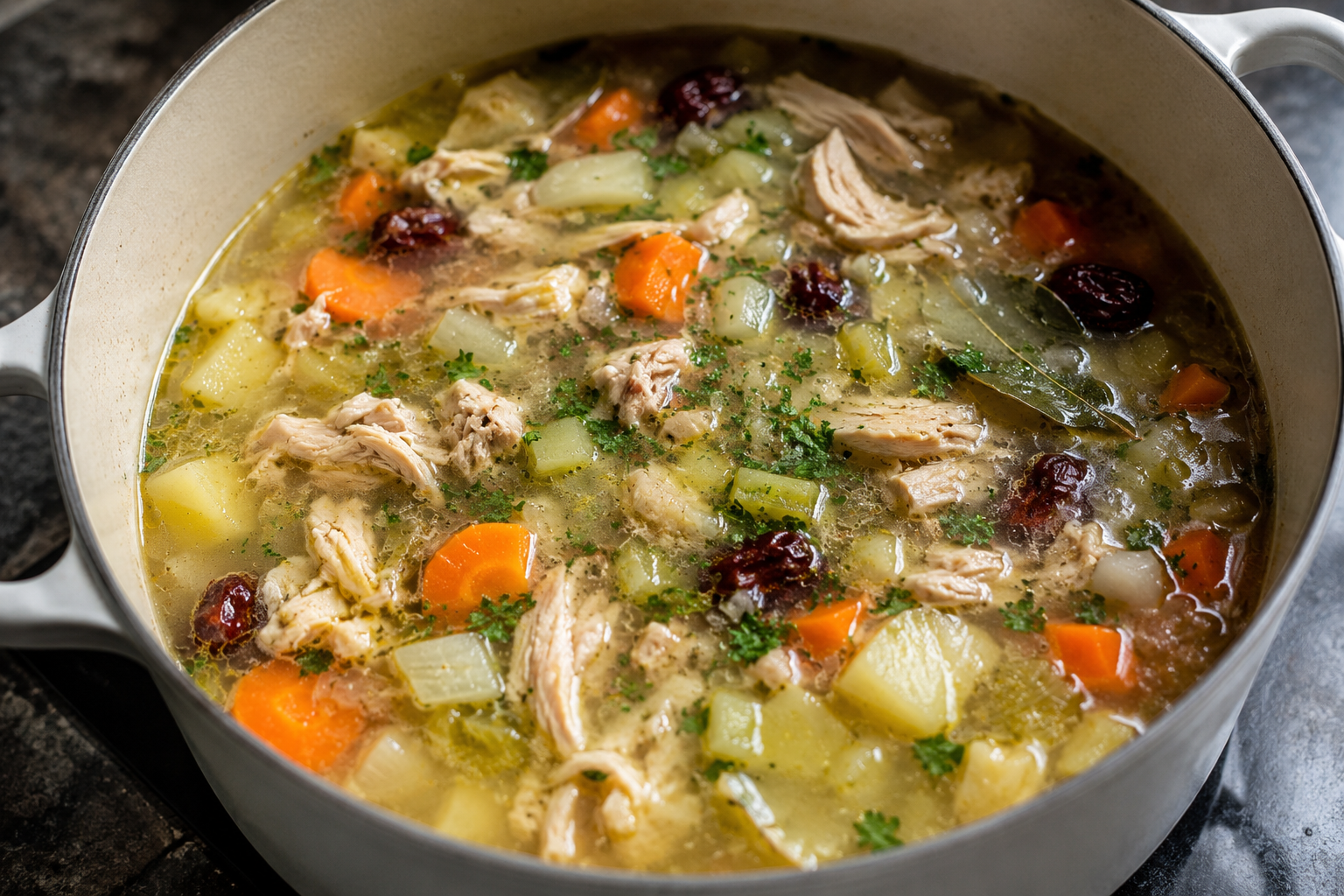
Hearty Chicken and Vegetable Soup
Recipe: Hearty Winter Soup
This soup is a simple winter staple. It is hearty, flexible, and easy to adapt depending on what vegetables you have available.
It can be made with chicken, or as a vegetarian version using beans or chickpeas for added protein and fibre.
Serves 6–8
Ingredients
Option 1: Chicken Soup
1 whole chicken, approximately 1.5–2kg, or 1kg chicken thighs bone in
Option 2: Vegetarian Soup
2 x 400g cans cannellini beans, butter beans, or chickpeas, drained and rinsed
For both versions
2 carrots, diced
2 celery stalks, diced
1 large onion, diced
1 leek, sliced
1–2 cups diced root vegetables, such as kumara, pumpkin, parsnip, swede, or potato
1 thumb-sized piece fresh ginger, thinly sliced
2 cloves garlic, crushed
4–6 dried red dates, optional
2–2.5 litres water, low-salt chicken stock, or vegetable stock
2 bay leaves
Small handful fresh parsley
Salt and pepper to taste
Pro Tip
Save your roast chicken carcass to make fresh chicken stock.
Simply simmer the carcass with onion, celery, carrot, ginger, and water for 1–2 hours, then strain and use the broth as the base for this soup. Homemade stock is a great way to reduce food waste and add flavour to winter meals.
Method
Chicken Version
Place the chicken into a large pot and cover with water. Bring to a boil for a few minutes, then drain and rinse the chicken. This step is optional, but it helps create a cleaner broth.
In the clean pot, gently sauté the onion, celery, leek, garlic, carrot, and ginger for around 10 minutes, until softened.
Add the chicken back to the pot with 2–2.5 litres of fresh water. Add the bay leaves and red dates, if using.
Bring to a gentle boil, then reduce to a low simmer.
Simmer for 2-2.5 hours, or until the chicken is very tender and the broth has developed flavour. Add a little extra water during cooking if needed.
Add the root vegetables and continue simmering for 20–30 minutes, or until tender.
Remove the chicken and allow it to cool slightly.
Remove the chicken meat from the bones, shred, and return the meat to the pot.
Discard the bay leaves.
Stir through fresh parsley and season with salt and pepper to taste.
Serve warm.
Vegetarian Version
In a large pot, gently sauté the onion, celery, leek, garlic, carrot, and ginger for around 10 minutes, until softened.
Add 2 litres of vegetable stock or water, along with the bay leaves and red dates, if using.
Bring to a gentle boil, then reduce to a simmer.
Add the root vegetables and continue simmering for 20–30 minutes, or until tender.
Add the beans or chickpeas and simmer for a further 10–15 minutes.
Discard the bay leaves.
Stir through fresh parsley and season with salt and pepper to taste.
Serve warm.
Optional Additions
This recipe is easy to adapt using whatever vegetables you have available.
Try adding:
Pumpkin
Parsnip
Swede
Silverbeet
Spinach
Pearl barley
Additional beans or legumes
A Note on Red Dates
Dried red dates, also called jujubes, are commonly used in Chinese cooking and soups. They add a subtle sweetness and can often be found in Asian supermarkets.
From a Traditional Chinese Medicine perspective, red dates are traditionally used to support the Spleen and Stomach systems, which are responsible for the transformation of food into Qi and blood. They are commonly included in soups and formulas intended to support energy, digestion, and nourishment.
If you do not have them available, simply leave them out. The soup will still be warming, nourishing, and delicious.
Winter Wellness Beyond the Kitchen
Food is only one part of staying well during winter.
From a TCM perspective, winter is also a time to:
Prioritise adequate sleep and rest
Keep the body warm, particularly the feet and lower back
Maintain gentle, regular exercise
Avoid pushing through fatigue when possible
Support recovery before small issues become bigger problems
However you choose to spend the colder months, remember to slow down, stay warm, and nourish yourself well.
